

Key Takeaways
Dogs mostly go for edibles, cats are more likely to chew plant material or breathe in smoke.
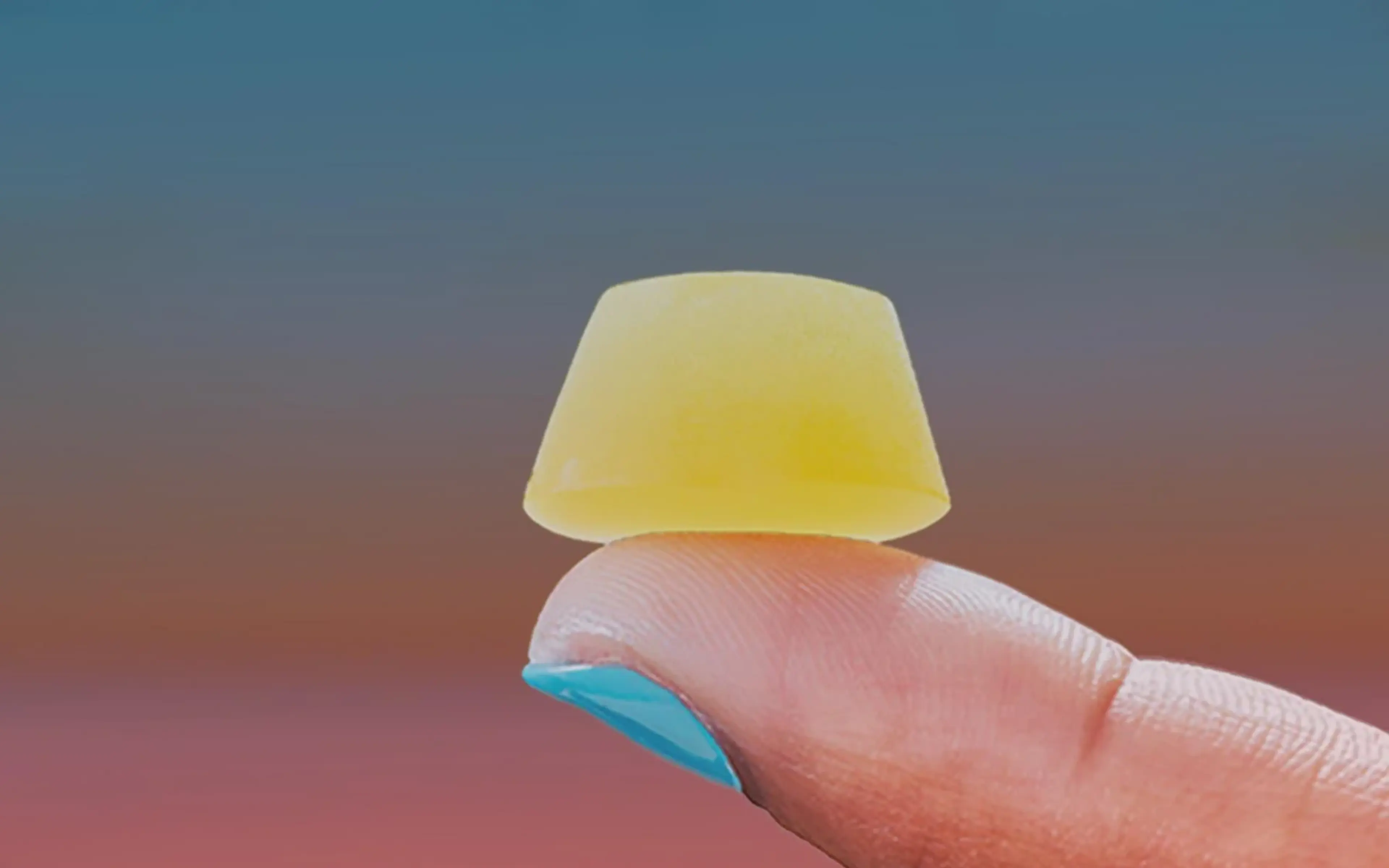
Edibles cause more accidental pet exposures than any other cannabis product. They smell like food, one package often holds several doses, and chocolate or sugar-free ingredients add a second hazard on top of the THC.
The signs to know are stumbling and loss of balance, jumpiness at ordinary sounds and touch, unusual sleepiness, and dribbling urine.
Call for help instead of waiting to see what happens. Your vet, an emergency clinic, the ASPCA Animal Poison Control Center at (888) 426-4435, and the Pet Poison Helpline at (855) 764-7661 all answer 24 hours a day.
Keep everything sealed in the packaging it came in, behind a door or lid that latches, and well away from where food is kept. A container built to resist a toddler will not resist a dog with time to work at it.

Intro
A dog will eat almost anything left at nose height, and a cat can reach anything no matter how high you place it. That's the entire problem with cannabis and pets sharing a house. Cannabis may be part of your routine, but it should never be part of your pet’s.
Keeping a dog or cat safe around what you buy comes down to where you put it and how fast you move when that fails. Below is what actually causes accidental exposure, what it looks like when it happens, and the storage habits that stop it from happening at all.
Is Cannabis Safe for Dogs and Cats?
No. Cannabis products are formulated for adult humans, and nothing sitting on a dispensary shelf is dosed for either a 40-pound dog or a nine-pound cat.
Dogs and cats process THC differently than we do, and they take on far more of it per pound of body weight from the same gummy. A 10mg edible is a mild evening for an adult. For a beagle it's a trip to the emergency clinic.
THC drives almost every accidental exposure case that walks through a veterinary door. The higher the milligrams printed on the label, the smaller the amount it takes to cause a problem.
CBD pet products are a separate conversation, and it's one to have with your veterinarian rather than a budtender. We can tell you what's in a product. Your vet is the one who knows your animal's weight, age, and medication list.
How Pets Accidentally Get Into Cannabis
Nearly every case starts with something left unattended. A survey of 222 North American veterinarians found "ingestion while unattended" was the single most cited reason behind the cannabis toxicosis cases they had treated.
Counters, nightstands, coffee tables, and open bags are where it happens. A tote with a tin of gummies in the side pocket is a snack dispenser to a dog who has learned that bags contain food.
Flower and pre-rolls get left out more casually than edibles, usually because they don't read as food to us. Dogs don't share that logic. A pre-roll on a side table is a chew toy that happens to be full of THC.
Vapes, carts, and concentrate jars are the ones people forget entirely. They're small, they roll off tables, and a cracked cart leaks something considerably stronger than flower.
Then there's the trash. Packaging with residue on it, an empty gummy bag, a used cart, scraps from a bowl. Dogs go through garbage, and that isn't a character flaw. It's a dog.
Outdoor exposure is real too. Discarded joints can turn up in parks and along sidewalks, and a dog who eats things on walks will eventually find one. It’s important to pay attention on your walks.

Cannabis Products to Keep Away From Pets

All of them. That's the short version. But some of them can be more enticing for your pet than the others.
Dogs are the edible problem. Veterinary toxicology puts it plainly: both species will eat plant material, but dogs are the ones more likely to go after edibles, and that's a behavior difference rather than a difference in how the two animals handle THC.
Gummies and chocolates lead because they're engineered to be appealing. Fruit flavoring, sugar, and a resealable pouch a determined retriever can work open with its molars.
Baked goods are the worst of that category. A brownie reads as food to everything in the house, and one can hold four adult servings, so a dog that finishes it has eaten four doses.
Cats tilt the other direction, toward the plant itself. They're as willing as dogs to chew plant material, which quietly moves loose flower and pre-rolls up the list in a cat household. It’s especially important to research reliable storage in a cat household, because just putting it in a high place is not the answer like it would be if you had a dog. Cats will climb anywhere, and a lot of cats can learn to open cabinet doors, making things very complicated.
Concentrates compress the margin for error. They carry the highest THC per gram of anything on the menu, so an amount that barely registers as a dose to you lands as a large exposure on a nine-pound animal.
THC drinks earn their own mention because they spill. A knocked-over seltzer spreads across a kitchen floor, and the dog handles cleanup well before you've found a towel.
Vapes and cartridges belong in a drawer, not the pocket of a coat hanging by the door, where they sit at roughly nose height for a curious dog.
Open packaging counts as a product. A bag with three gummies still in it is the same hazard as a sealed one and easier to get into, which is why leftovers are what usually gets found.
Remember, cats and dogs are very curious, and both can be notoriously stubborn when they want to try something you DON’T want them to try.

Why Edibles Can Be Especially Risky
More accidental pet exposures trace back to edibles than to any other product category. That same veterinary survey found edibles were what vets encountered most, ahead of dried flower.
They're food. That's the whole reason. A THC gummy and a regular gummy are the same object to a dog, and dogs are drawn to sweet things they find at floor level.
Chocolate stacks a second problem on top of the first. A review of 156 chocolate ingestion events in dogs found dark and bitter chocolate behind most of the symptomatic cases, which is exactly the chocolate that infused bars tend to use.
Xylitol turns up in some sugar-free infused products and is tracked in veterinary emergency medicine as a liver risk in cats and dogs. Read the ingredient panel on anything sugar-free before it comes into a house with a pet in it.
Multi-serving packages make the math ugly. If a 100mg bag held ten gummies and nobody knows how many were left, your vet is working blind on dose, and dose changes how they treat.
Signs a Pet May Have Gotten Into Cannabis
Call first, read second. Your veterinarian, an emergency clinic, the ASPCA Animal Poison Control Center at (888) 426-4435, or the Pet Poison Helpline at (855) 764-7661. All are staffed 24/7, and you don't need to be certain of anything to call. Most dogs start showing signs 30 to 60 minutes after eating something, and secondhand cannabis smoke works faster than that, sometimes in as little as 6 to 12 minutes. A review of 223 treated dogs put the median closer to an hour and a quarter, though a handful didn't show anything for half a day. Nearly all of them showed something within the first four hours, so a pet that seems fine after twenty minutes isn't in the clear yet. Once signs appear, expect 18 to 24 hours before they fade, and up to 72 after a big dose or a concentrate. Here's what you'll actually see, ranked by how often it turned up in those 223 dogs:
Loss of coordination, 88%. Wobbling, swaying, a wide-legged stance, bumping into furniture the dog clears every day.
Heightened sensitivity to sound and touch, 75%. Startling at ordinary noises, flinching from a familiar hand.
Lethargy or dulled awareness, 63%. Glazed eyes, delayed responses, an animal that won't get up.
Dribbling urine, 46%. House-trained animals leaking without appearing to notice it.
Tremors, twitching, or shaking, 33%.
Vomiting, 26%.
Dilated pupils, 22%.
About 70% of those dogs had the first two signs at once. A dog that's wobbling and also flinching at ordinary sounds is the classic presentation, and it's the pairing most worth acting on fast. Sound sensitivity is the one owners miss. It looks like a dog acting strange rather than a dog that's been poisoned, which is how an animal ends up watched all evening instead of driven to a clinic. Most consumer guidance on this lists a slow heart rate and low body temperature. That same review found the opposite more often. Fast heart rates turned up in 37% of the dogs, fevers in 23%, and high blood pressure in 61% of the dogs who had it measured. Don't rule out cannabis because your dog's heart is racing. That's the specific mistake the common advice sets owners up to make. Skip the phone call and go straight to an emergency clinic if your pet is:
Unresponsive, or can't be roused.
Collapsed, or unable to stand at all.
Has seizures.
Is vomiting.
This is especially important if you know that your pet has ingested a large amount or a high-potency product and if it’s a puppy or a small breed. Cats show fewer signs than dogs. Loss of coordination, lethargy, and vomiting are reported most often, and the documented smoke-exposure case also included agitation, disorientation, dilated pupils, and heavy drooling. Body weight matters. A dose that makes a 60-pound dog wobble can be far more serious for a nine-pound cat. These signs do not prove cannabis exposure. Antifreeze poisoning, xylitol poisoning, head injuries, and neurological events can look the same at first. Call an emergency line or visit your vet; better safe than sorry.

What to Do If Your Pet Eats Cannabis
Stay calm and move quickly through the practical steps. Outcomes in the veterinary literature are genuinely good: all 223 dogs in that review survived, fewer than 10% needed hospitalization, and the median stay was about 24 hours.
Get the remaining product out of reach before anything else. A pet that found the stash once can go back to it while you're on the phone.
Save the packaging. Milligrams per piece, total milligrams in the package, and the ingredient list are the three things your vet will ask about, and reading them off a label beats guessing at them.
Call your veterinarian or a poison control line. The Pet Poison Helpline charges an $89 incident fee that covers every follow-up call on the same case.
Be honest about what happened. Nobody is reporting you to anyone, and a clear answer about what and how much can save an hour of diagnostics your animal doesn't need. Researchers reviewing canine THC cases specifically flagged owner denial as a reason the correct diagnosis gets delayed.
Do not wait for symptoms to get worse. Every minute counts in cases like this.
How to Store Cannabis Safely at Home

Keep products in original packaging and behind a door that latches. That covers most of it.
Child-resistant packaging is not pet-resistant packaging, so the container is only half the job. The other half is a closed drawer, a cabinet, or a lockable stash box that a nose can't nudge open.
Keep edibles well away from the food you actually eat. A tin of gummies in the snack drawer is a mistake waiting on a houseguest or a counter-surfing pet.
Bags, coats, and nightstands are the three worst spots to leave anything, in roughly that order. A gym bag on the floor sits at exactly dog height.
Dispose of packaging in a covered bin or take it out to the curb. An open kitchen trash can with a gummy bag on top of it is not storage.
Anyone who comes over needs the rules too. Guests set things down. That's what guests do.
We have a more detailed guide on how to store marijuana if you need to learn more.
Dog vs Cat Safety Considerations
Dogs
Dogs dominate the veterinary case numbers, and the reason is behavioral rather than biological. A dog that finds something on the floor eats it first and works out what it was afterward, which is the exact sequence that turns a dropped gummy into an emergency visit.
That same instinct is why the trash matters as much as the counter. Scraps, spent packaging, and anything that smells faintly of food all register as fair game to an animal that has learned the kitchen produces snacks.
"Dog" covers a lot of ground, from a 12-pound terrier to a 70-pound lab. That range is why a single number never covers it, and why the edible your lab slept off is the one that puts a smaller dog on fluids overnight.
The dose that matters is the one measured against your specific animal. There isn't a general answer, and a vet who knows your dog's weight is the only person who can give you a specific one.
Cats
Cats are less likely than dogs to tear into a package of edibles, but that does not make them safe from cannabis exposure. Their risk often comes from products left within reach or smoke in the air.
In one published case report, a cat became ill from secondhand cannabis smoke without eating any cannabis and required veterinary treatment before making a full recovery. The safest approach is to smoke or vape outside, away from pets; an open window may not provide enough protection.
Cats can also swallow cannabis residue while grooming. Smoke particles or residue from contaminated surfaces may settle on their fur and be ingested the next time they clean themselves.
Cannabis, CBD, and Pet Wellness Claims
Products made for people are not made for animals, and the gap between the two is wider than most labels suggest. Here is what to check before buying anything cannabis-related for a pet.
Do not give your pet a product formulated for humans. Human products are not dosed, flavored, or ingredient-checked with animals in mind.
THC products are not for pets in any amount. There is no consumer use for them in animals, and the veterinary case literature is the reason.
CBD products marketed for pets are a veterinary decision. Ask your veterinarian, who knows your animal's weight, age, health history, and current medications.
Read the label before you buy. Look for a certificate of analysis and a THC content you can verify rather than assume.
Get pet health advice from veterinary professionals. Dispensary staff know cannabis products. Only a veterinarian can advise on your animal's health.
To Sum Things Up

A pet-safe home doesn't ask you to give anything up. It asks for a drawer that closes, the habit of putting the tin back, and a vet number saved before there's a reason to dial it.
Pick up your next order from RISE online or at your local shop, and ask the team to walk you through what's in the package and how it's sealed before you take it home. Take time to look into storage options as well.